A broken system is putting lives at risk.
Despite major funding commitments, NSW continues to see tragedies in homes and communities because our DFV response is built on an unstable, inconsistent, and largely privatised model.
Instead of providing a coordinated safety net, the system forces women to navigate a maze of disconnected services, retell their story repeatedly, and hope the provider in their postcode is well funded enough to help.
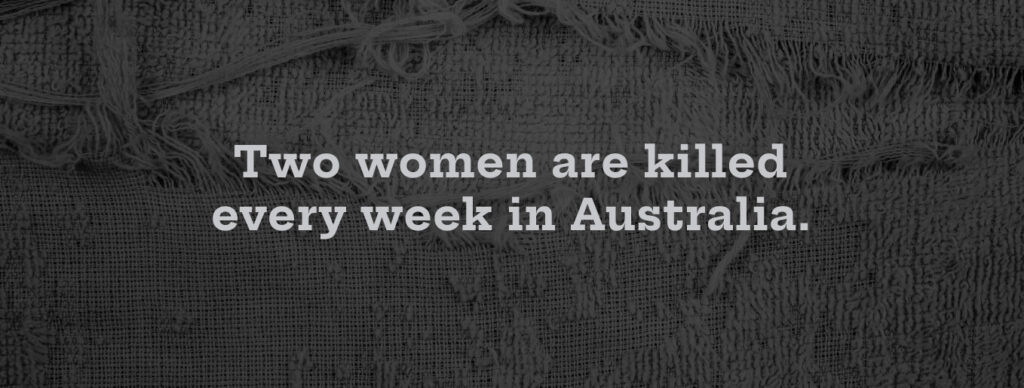
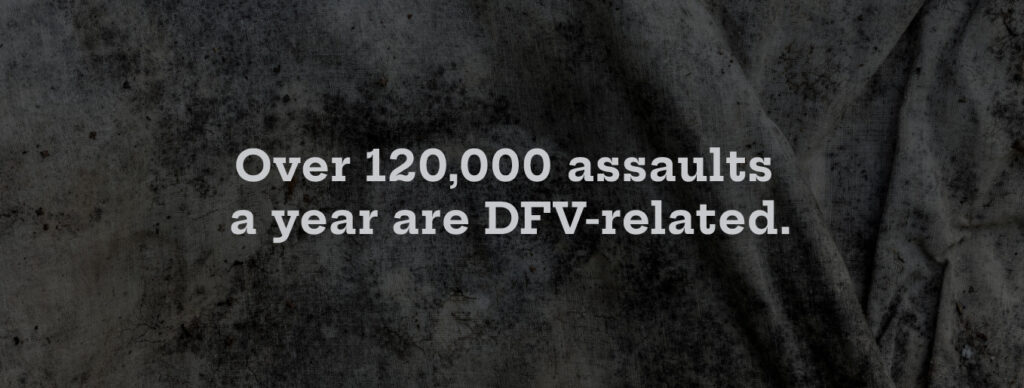
The Crisis in Numbers
What’s Broken
FAILING 1: Inadequate Resourcing & Capacity
The current funding model forces services to compete for short-term grants, creating instability and burnout. Public housing shortages mean victim-survivors often have nowhere safe to go.
Impact: Women cannot rely on consistent help when they need it most.
FAILING 2: Fragmentation & Lack of Integration
There is no statewide system. Services vary from suburb to suburb. Victims must retell their story to Police, Housing, Courts, Health, and NGOs – each operating in separate silos.
Impact: Critical information is lost. Interventions are delayed. Risks escalate.
FAILING 3: No Accountability
When outsourced providers fail to deliver – whether through delays, missed appointments, or administrative issues – there are no clear reporting requirements and little public oversight.
Impact: Families pay the price for system failures that go untracked and unaddressed.
FAILING 4: Privatised Services & Workforce Depletion
Over-reliance on NGOs has hollowed out NSW’s public capacity. Staff face insecure contracts, low pay, and unsustainable caseloads.
Impact: A workforce under pressure cannot deliver safe, high-quality support.
FAILING 5: Barriers in the Justice System
Offenders on remand rarely receive behaviour-change programs. Courts often lack the tools to intervene early or mandate treatment.
Impact: Opportunities for prevention and rehabilitation are missed.
A model that is working:
Mount Druitt
A fully integrated, government-led DFV Service where Police, Courts, Housing, Child Protection, Health and community services operate together.
RESULT: Faster responses, clearer accountability, safer outcomes.